Technology & method page
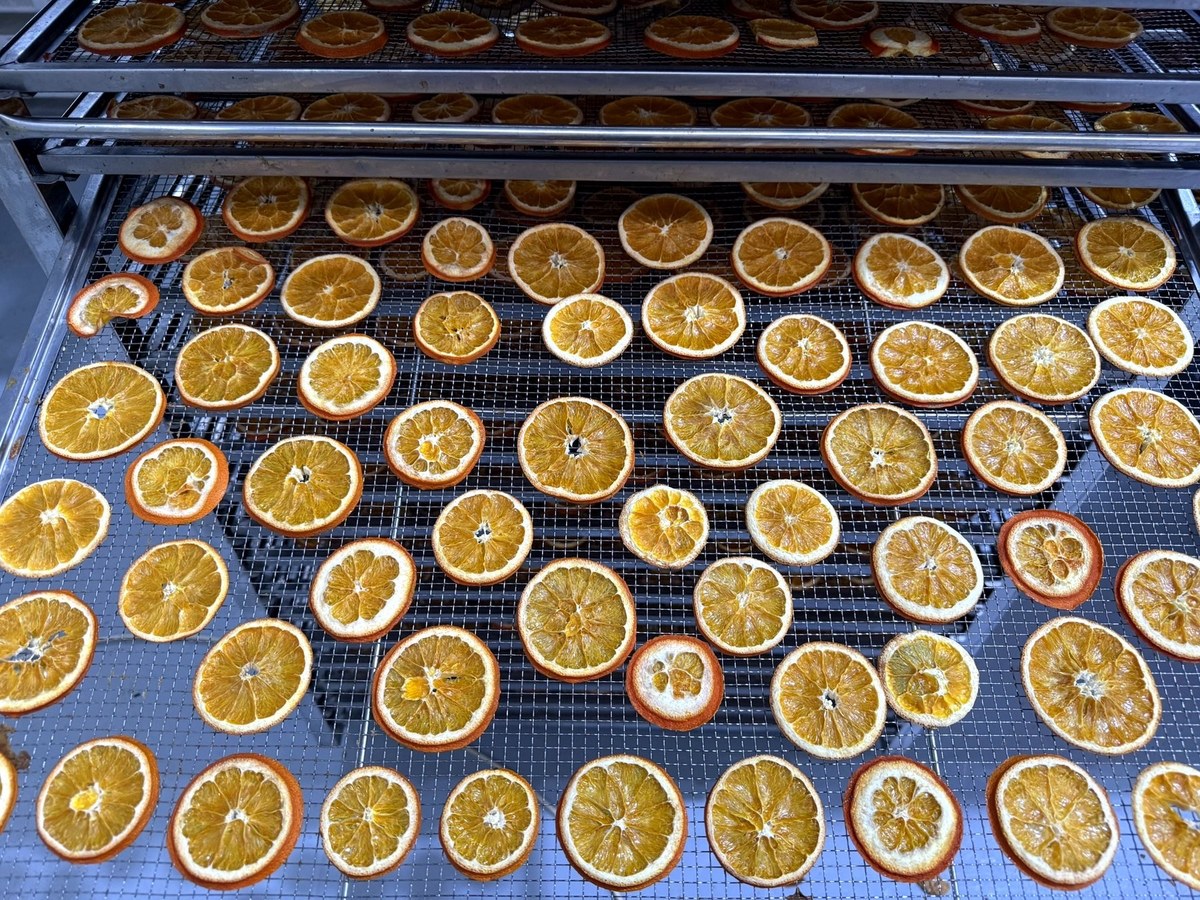
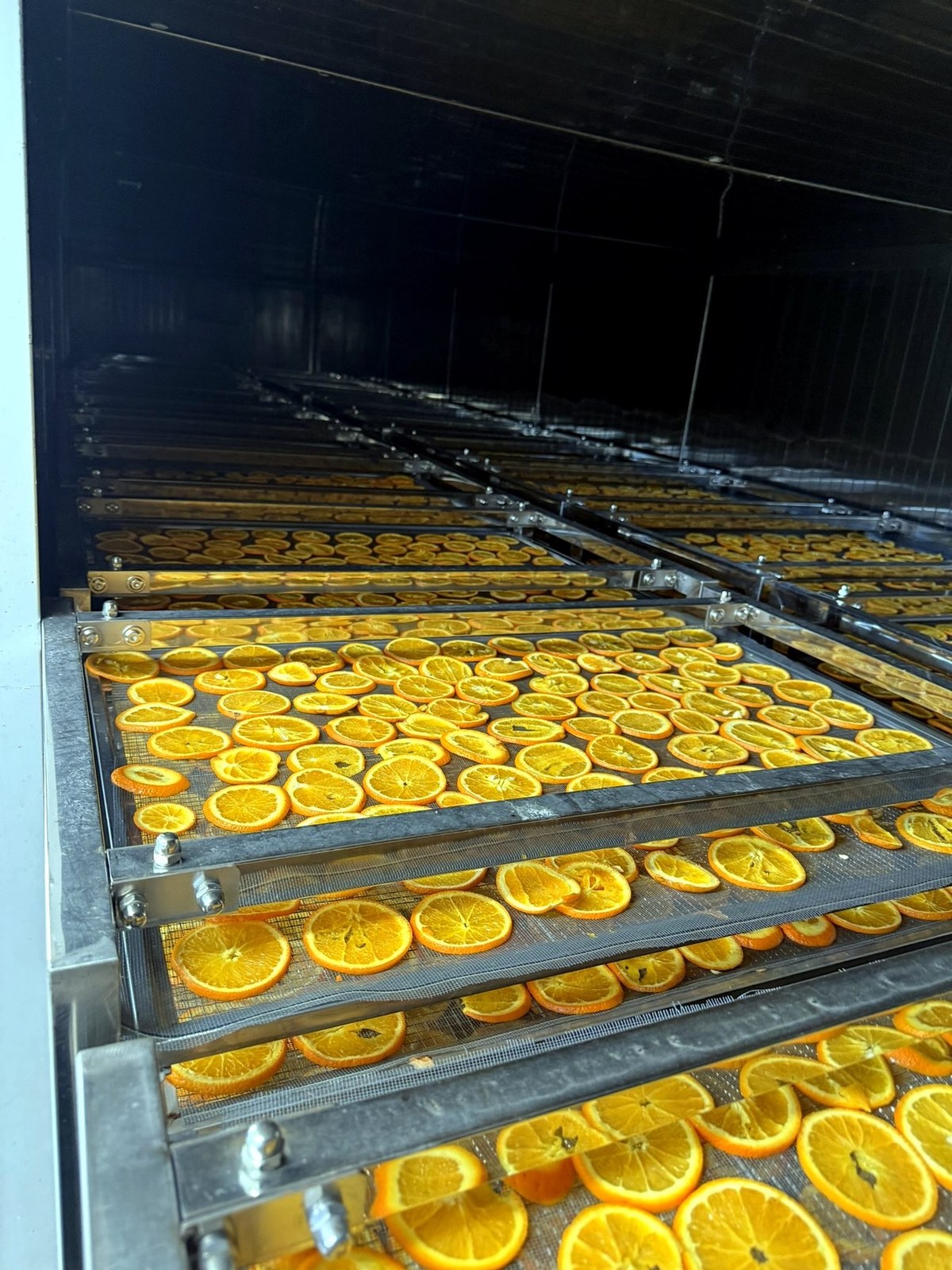
Controlled hot-air dehydration is the current production method. Time, temperature and moisture curves are set per product, format and lot.
Hot-air dehydration is simple to name and hard to do consistently. Consistency comes from controlling every step — and writing each one down.
The site now presents the supply story the way B2B buyers evaluate it: how the product is dried, what capacity can be committed, how lines are controlled and which documents support each shipment.
Controlled hot-air dehydration is the current production method. Time, temperature and moisture curves are set per product, format and lot.
Programme capacity is shared in qualified quotes — per product, cut format and delivery rhythm.
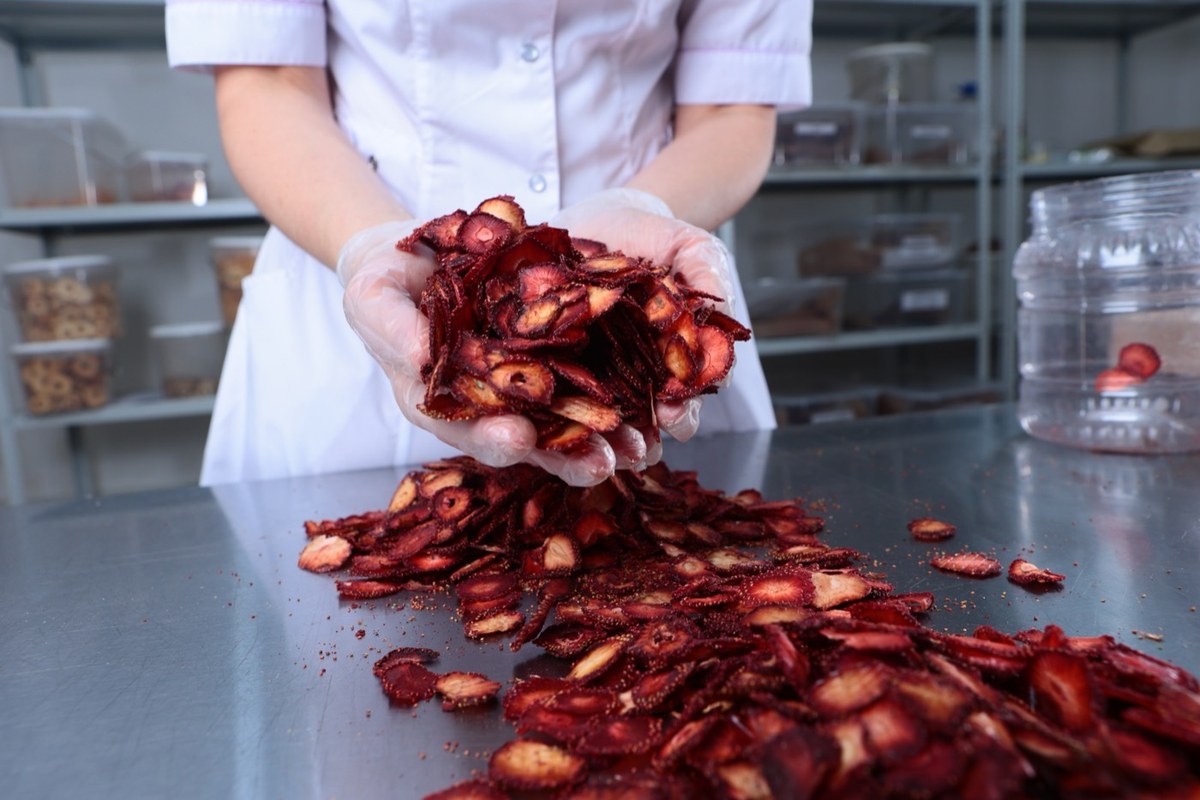
Real production images show trays, tunnels, inspection and packing.
Washing, sorting, cutting, drying, inspection, packing and traceability are documented as separate checkpoints.
| Standard method | Controlled hot-air drying on industrial trays and tunnels. |
|---|---|
| Freeze-dry | Not presented as a standard MeCi line claim; quoted only if a separate programme is technically confirmed. |
| Solar tunnel / sun drying | Not used for the core specification programme where closed, logged process control is required. |
| Production base | Headquarters and production hub in New Borg El Arab, Egypt; certified lines in Niğde, Türkiye. |
|---|---|
| Egypt hub | New Borg El Arab, Alexandria; line and capacity details are shared in qualified quotes. |
| Large order handling | Buyer-specific programmes define product, cut, moisture target, packaging, annual volume and delivery rhythm. |
Fresh produce from audited growers, checked against intake criteria at the door.
Multi-stage washing removes field soil and surface load before anything is cut.
Undersized, damaged or off-colour raw material leaves the line here — not in your container.
Peeling where specified, then precision cutting to the agreed slice, cube, julienne or ring geometry.
Low-temperature air removes the water and only the water. Time and temperature curves are set per product and logged per lot.
Dried product is inspected for colour, moisture and physical defects against the specification.
Where the format requires it, dried product is milled to granules or powder and calibrated to the agreed mesh range.
Food-grade bulk packaging, sealed and labelled with product, format, lot and date.
Every carton traces back to its lot, line and intake record. Export documents are prepared against the same references.
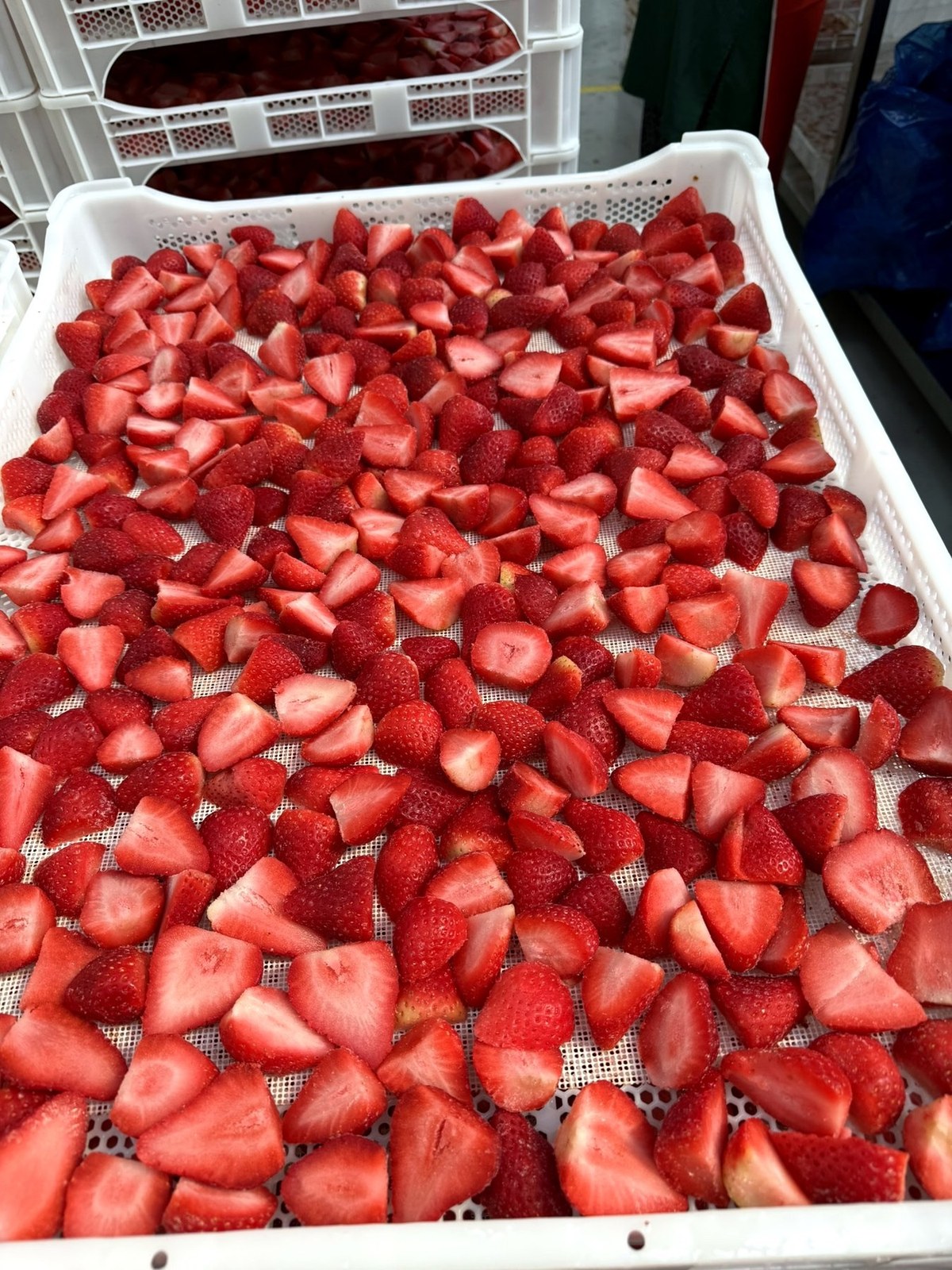
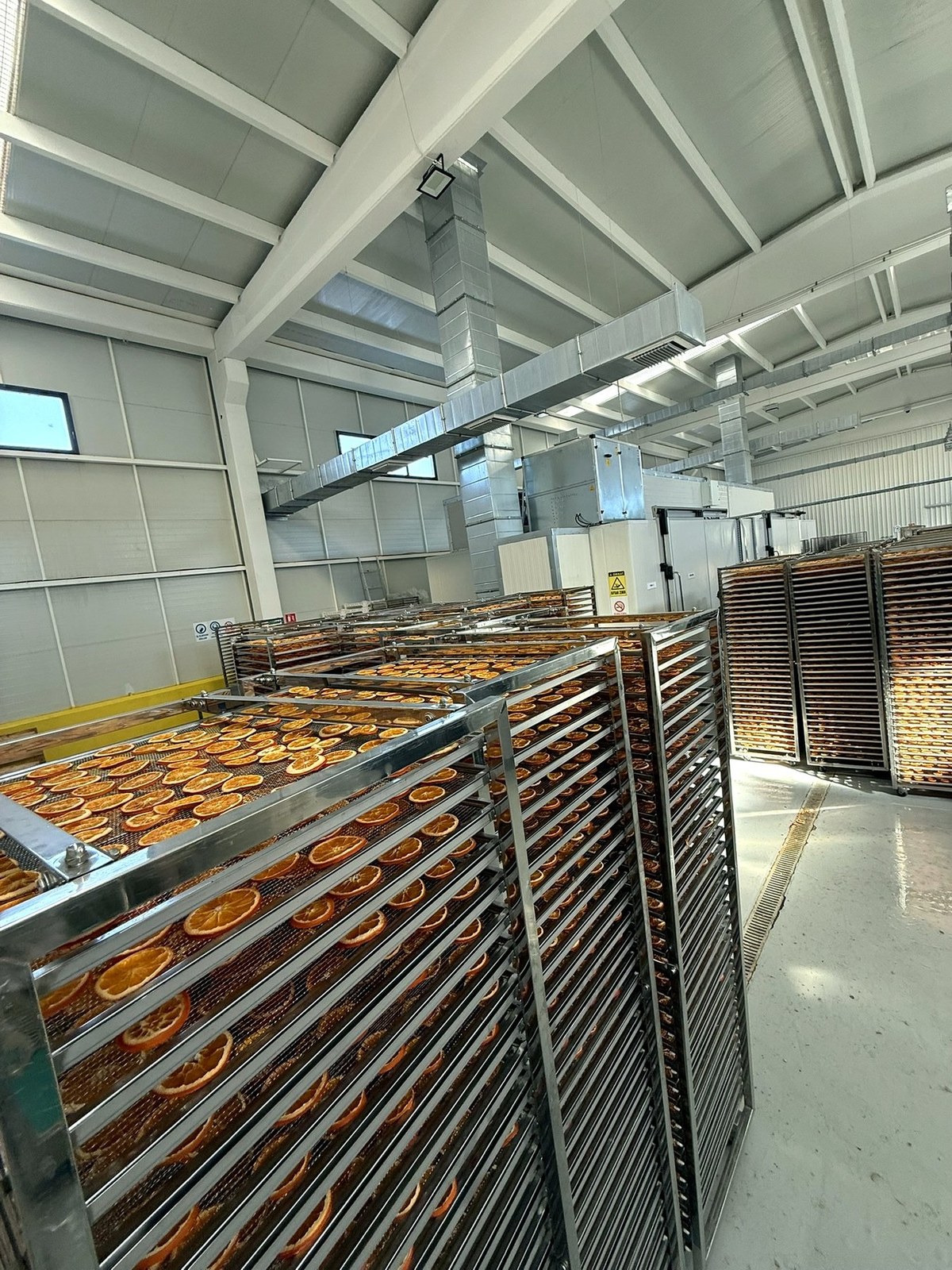
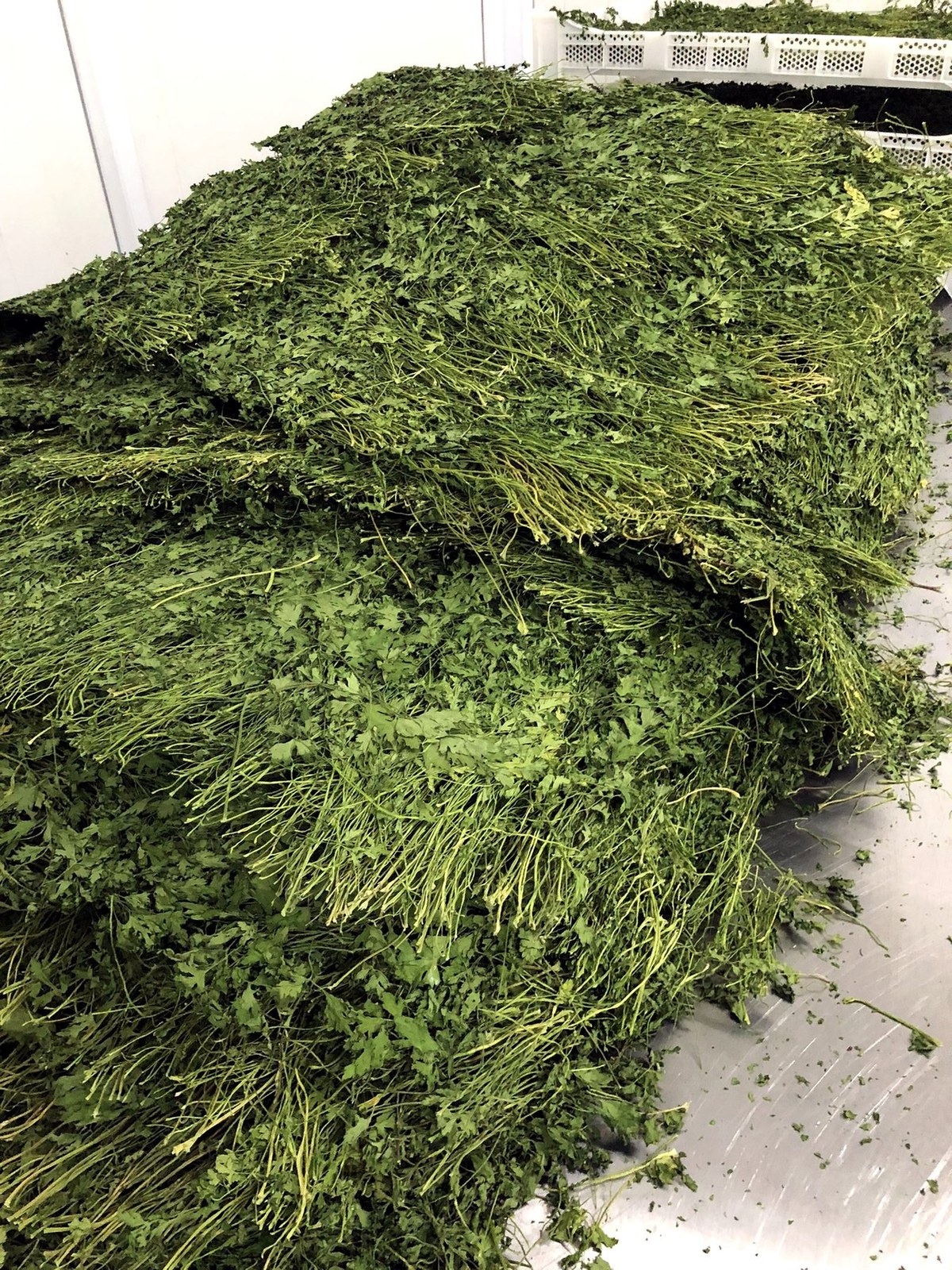
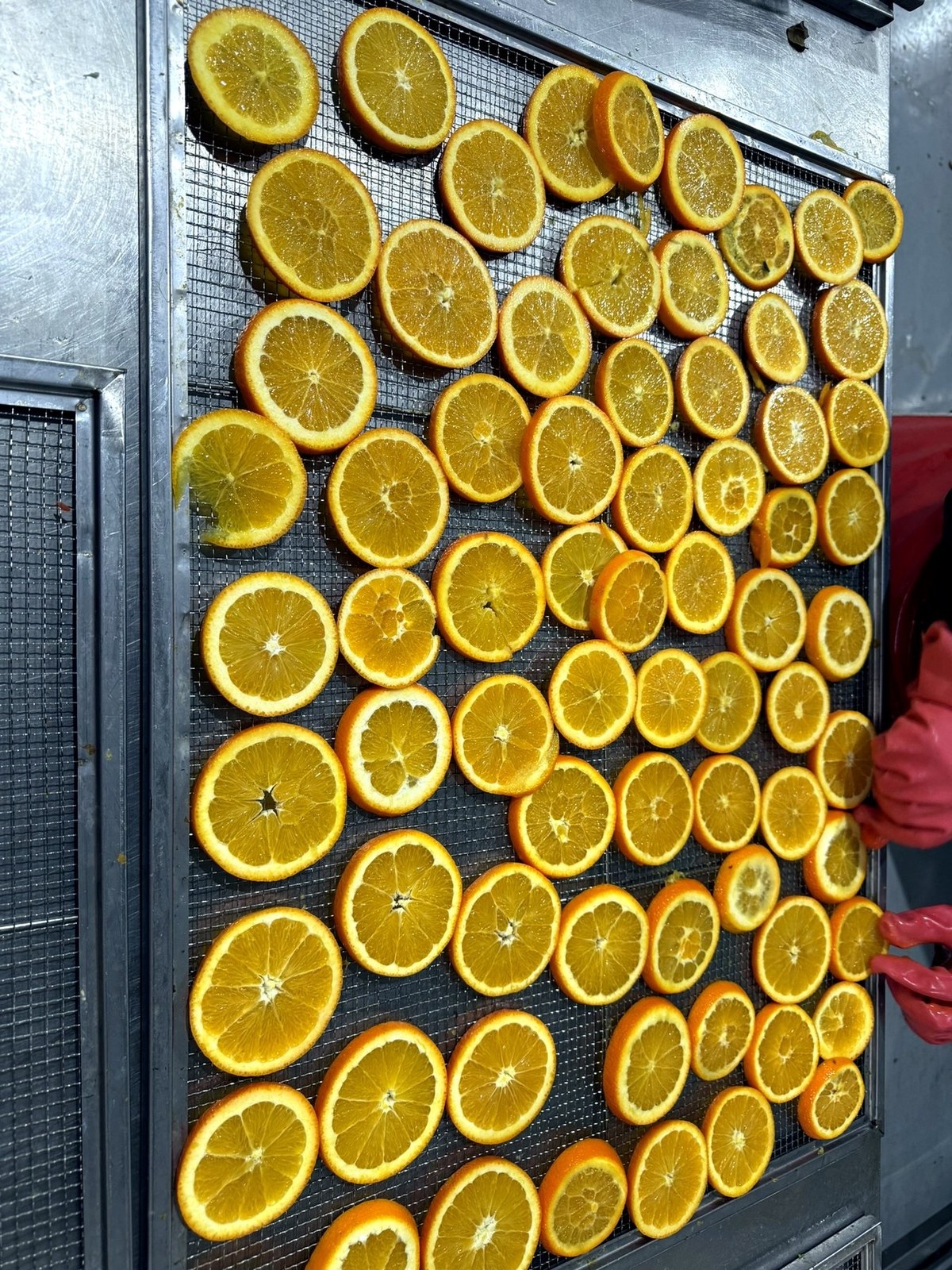
Photographs on this page were taken on MeCi production lines in Türkiye.
Evaluate the product in your lab, or price a full programme — both start with one form and end with a technical reply, not a marketing sequence.